NSUK Pioneers Holistic Graduate Development Model, Unveils “One Degree – One Trade – One Enterprise” Initiative
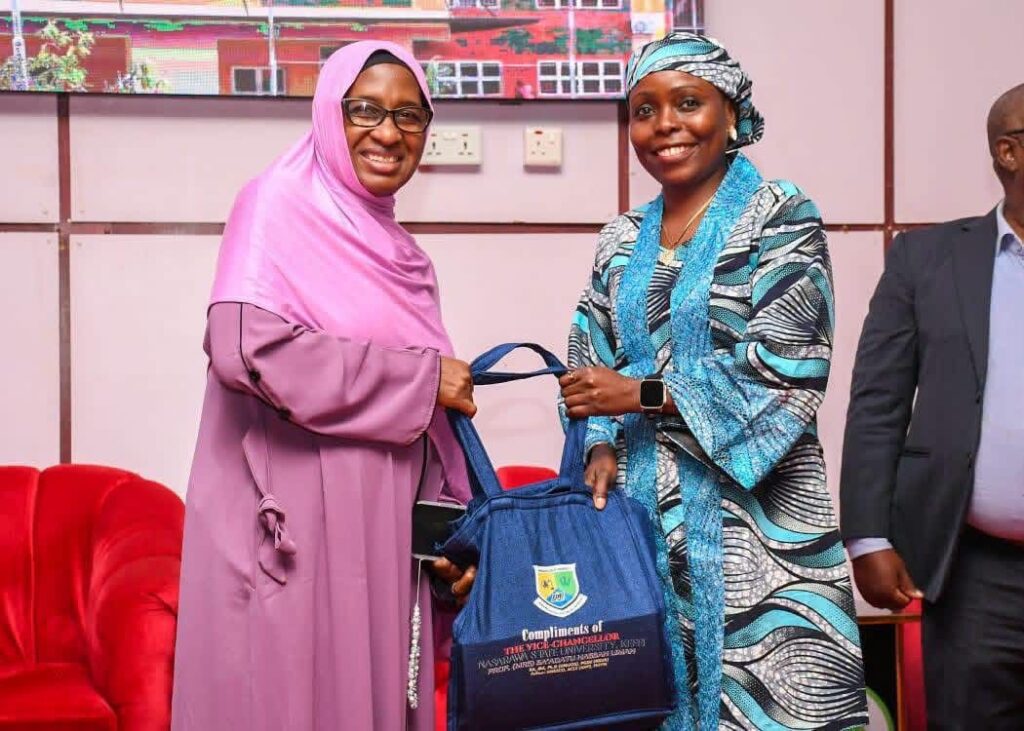
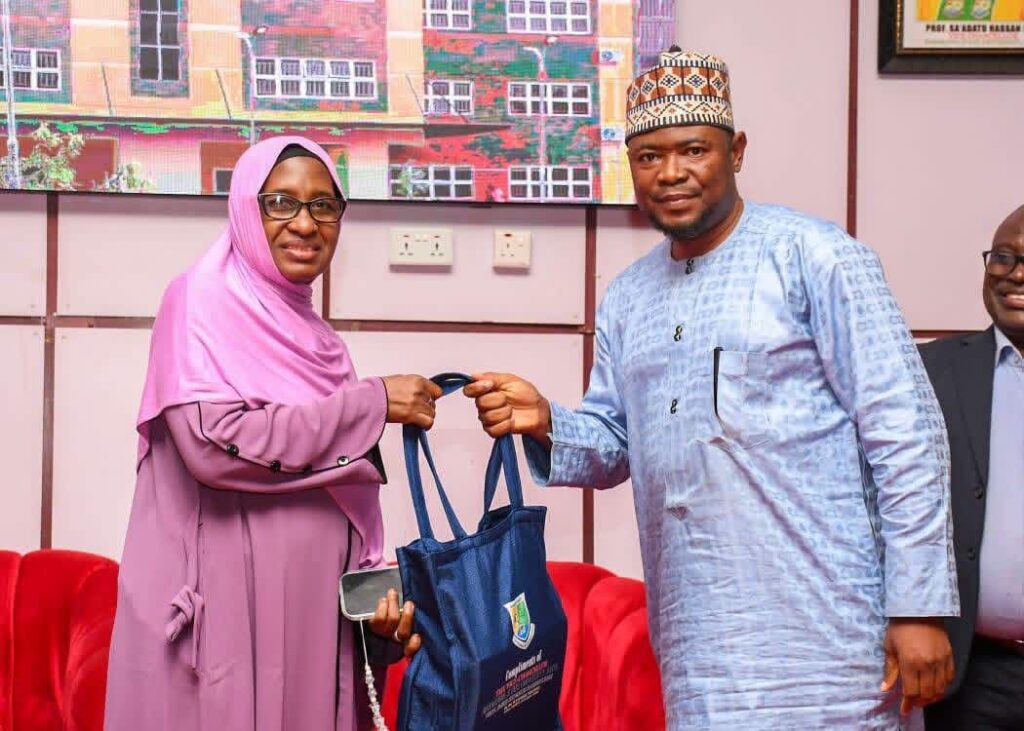

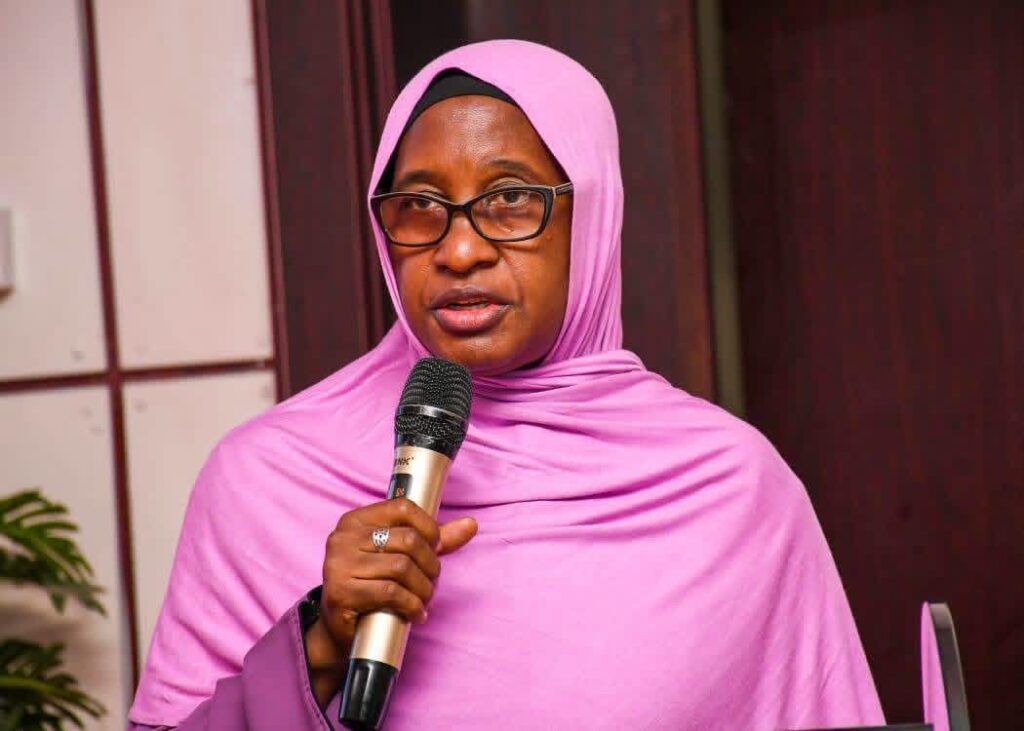
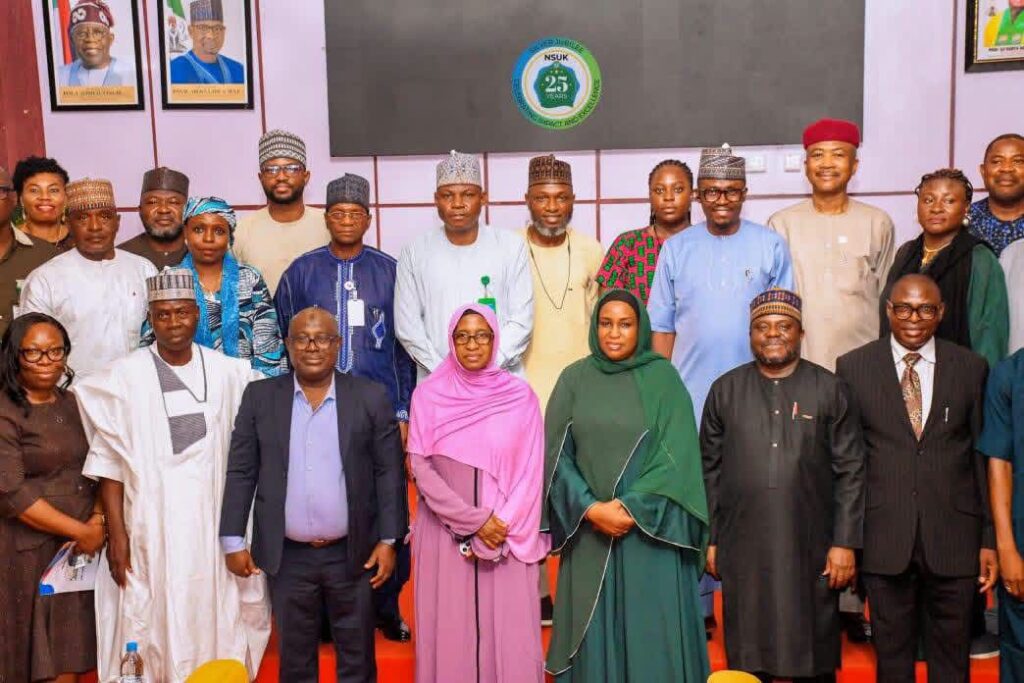
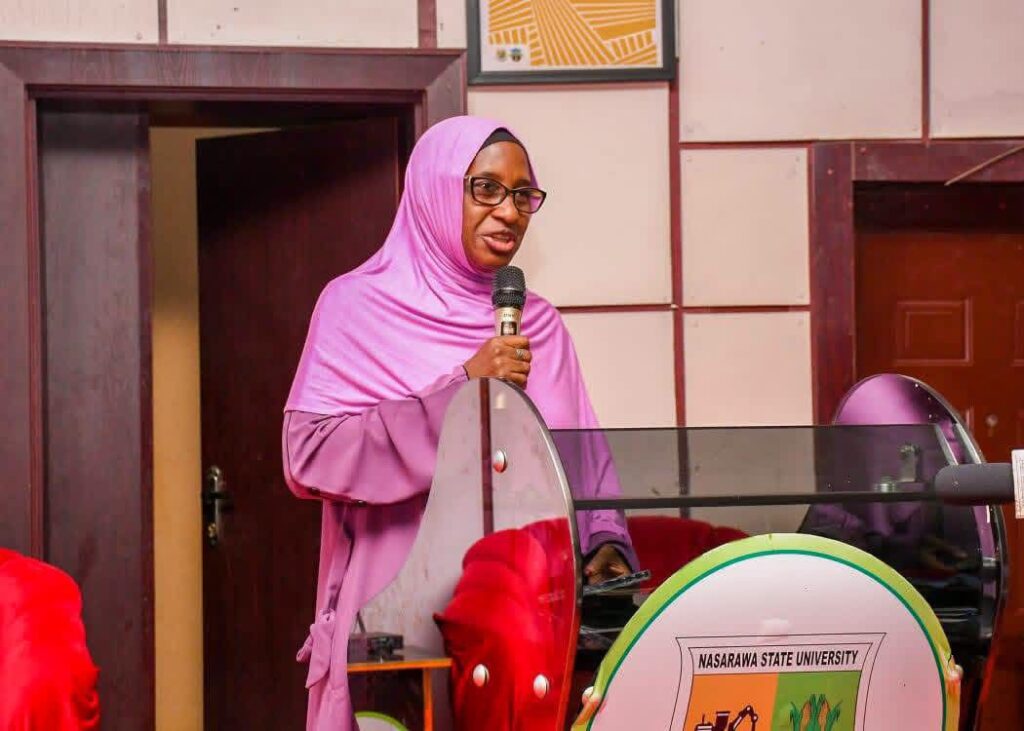
Nasarawa State University, Keffi (NSUK), has once again demonstrated its leadership in educational innovation with the unveiling of the Holistic Graduate Development Initiative (HGDI), a bold institutional framework designed to redefine university education by producing graduates equipped with academic excellence, practical skills, and entrepreneurial capacity.
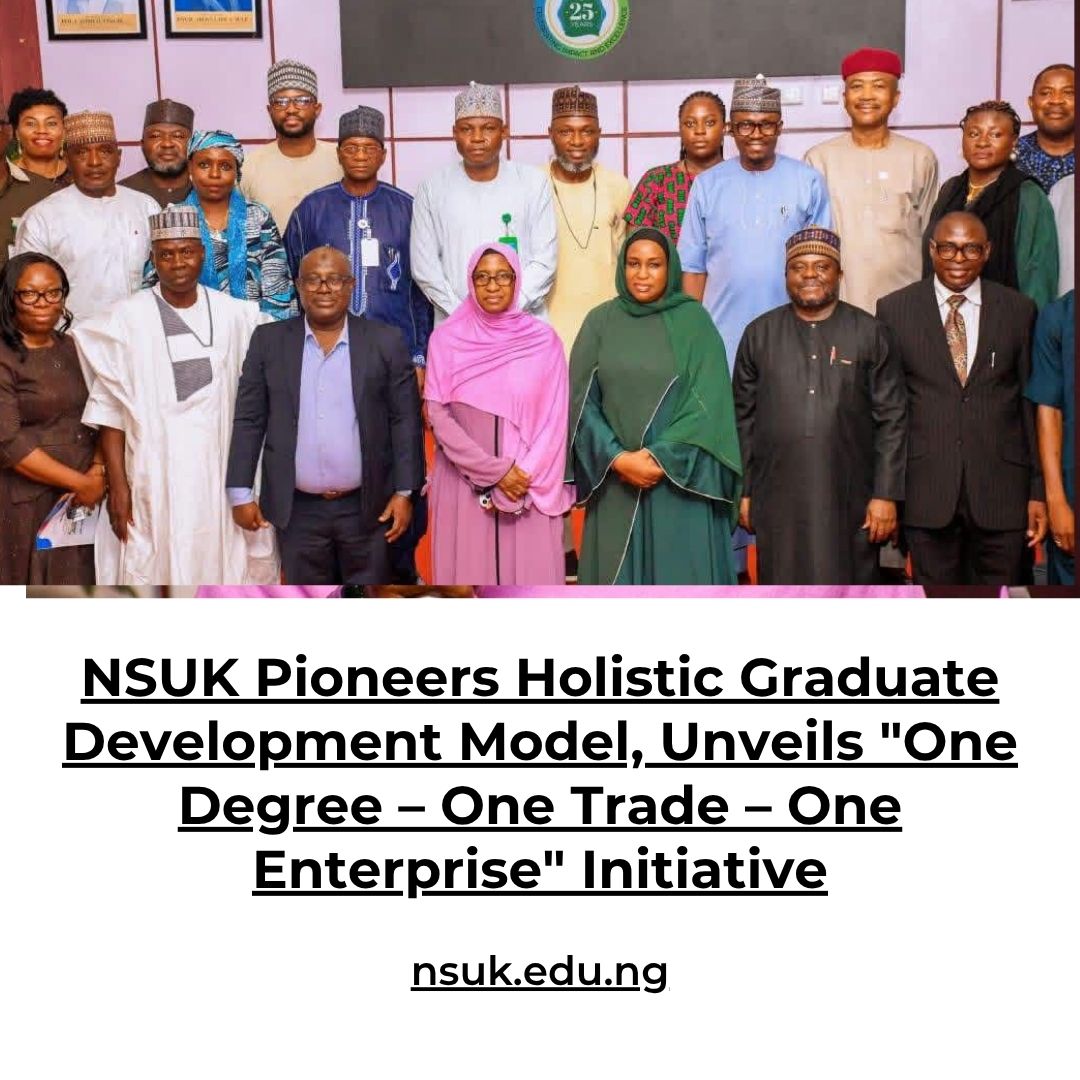
The groundbreaking initiative, anchored on the theme “One Degree – One Trade – One Enterprise,” was unveiled by the Vice-Chancellor, Professor Sa’adatu Hassan Liman, on Thursday, 2 July 2026, during a Strategic Stakeholder Engagement Meeting held at the S. B. Mohammed Auditorium, School of Postgraduate Studies, Nasarawa State University, Keffi.
Addressing stakeholders drawn from government agencies, industry, professional bodies, development partners, financial institutions, and the private sector, Professor Liman described the initiative as a transformational response to the changing dynamics of the global economy and the growing need for universities to produce graduates who are not only academically sound but also industry-ready, innovative, and self-reliant.
She noted that the HGDI represents a new vision of higher education, positioning NSUK at the forefront of efforts to bridge the gap between academic learning and the demands of the modern labour market.
According to the Vice-Chancellor, the initiative reflects her administration’s commitment to innovation, excellence, entrepreneurship, digital transformation, global competitiveness, and community impact. She explained that since assuming office over two and a half years ago, the University has implemented strategic reforms aimed at strengthening academic quality, expanding international collaborations, promoting digital transformation, and creating an enabling environment for innovation and enterprise development.
Professor Liman highlighted several landmark achievements of her administration, including curriculum enhancement, expanded global partnerships through Erasmus+ and collaborations with institutions across Europe and Africa, significant investments in ICT infrastructure and smart learning environments, as well as the construction of new academic facilities, research centres, hostels, roads, and innovation spaces across the University’s campuses.
She also cited the establishment of the UNDP-supported MineTech UniPod as evidence of NSUK’s growing reputation as a hub for research, innovation, technology transfer, and enterprise development.
The Vice-Chancellor disclosed that under the Holistic Graduate Development Initiative, every NSUK student will graduate with three critical competencies: an academic degree, a nationally recognised vocational, digital, trade, or professional certification, and enterprise development skills capable of supporting business creation and sustainable employment.
She explained that the programme is designed to produce graduates who are employable, entrepreneurial, digitally empowered, innovative, and globally competitive, thereby addressing the persistent challenge of graduate unemployment and underemployment in Nigeria.
Professor Liman further revealed that students will undergo structured competency development throughout their academic journey, gaining exposure to high-demand sectors such as digital technology, agribusiness, renewable energy, manufacturing, construction, the creative industry, and other emerging sectors of the future economy.
She added that the initiative aligns with the National Skills Qualification Framework, the National Universities Commission’s Core Curriculum and Minimum Academic Standards (CCMAS), national youth empowerment policies, digital economy strategies, and the United Nations Sustainable Development Goals.
Calling for strategic collaboration, the Vice-Chancellor stressed that the success of the initiative depends on strong partnerships among universities, industry, regulators, development organisations, professional bodies, technology companies, and financial institutions.
She urged stakeholders to support NSUK by creating certification pathways, apprenticeship and internship opportunities, providing industry mentorship, enriching curricula, establishing innovation laboratories and business incubation centres, and facilitating startup financing mechanisms.
Professor Liman described the Holistic Graduate Development Initiative as more than an institutional programme, saying it is a pioneering national model with the potential to reshape graduate development not only in Nigeria but across Africa.
Reaffirming the University’s vision, she said NSUK is determined to become Nigeria’s leading institution for integrated graduate development by producing graduates who possess not only academic knowledge but also practical competence, entrepreneurial capacity, digital proficiency, and the ability to create jobs, drive innovation, and contribute meaningfully to national development.
The stakeholder engagement concluded with renewed commitments from participants to collaborate with the University in advancing the initiative, further reinforcing NSUK’s position as a pacesetter in innovative, solution-driven higher education and a leading institution committed to producing globally competitive graduates equipped for the future world of work.
Among those present at the engagement were the Director-General of the National Power Training Institute of Nigeria (NAPTIN), Ahmed Bolaji Nagode; the Industrial Training Fund (ITF) Lafia Area Manager, Barrister Halima Ali Muhammad; the Chief Executive Officer of Investionaire Academy, El-Yakub Audu; the CEO of El Dorado Fashion, Mr. Kelvin; and representatives of the National Universities Commission (NUC), Standards Organisation of Nigeria (SON), Small and Medium Enterprises Development Agency of Nigeria (SMEDAN), National Information Technology Development Agency (NITDA), Corporate Affairs Commission (CAC), Cisco, Prince Interior Furniture, the Nasarawa State Relevant Technology Board, and Wing Commander Abdullahi Ibrahim Vocational Institute, Lafia.
Also represented were the Federal Polytechnic, Nasarawa; Isa Mustapha Agwai I Polytechnic, Lafia; and the College of Agriculture, Science and Technology, Lafia, underscoring the broad institutional support for NSUK’s pioneering graduate development initiative.
©️ Information and Protocol Unit, 2026.
Nasarawa State University, Keffi