Scholars at NSUK Postgraduate Workshop Champion Culturally Aligned AI and Research Ethics in the Humanities
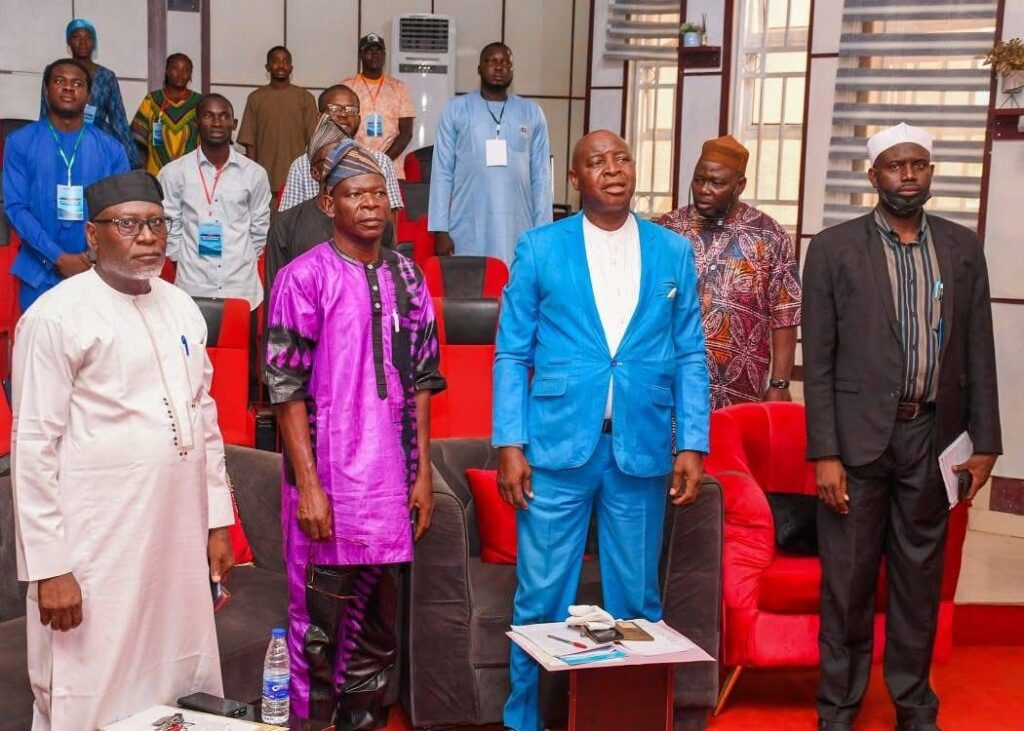
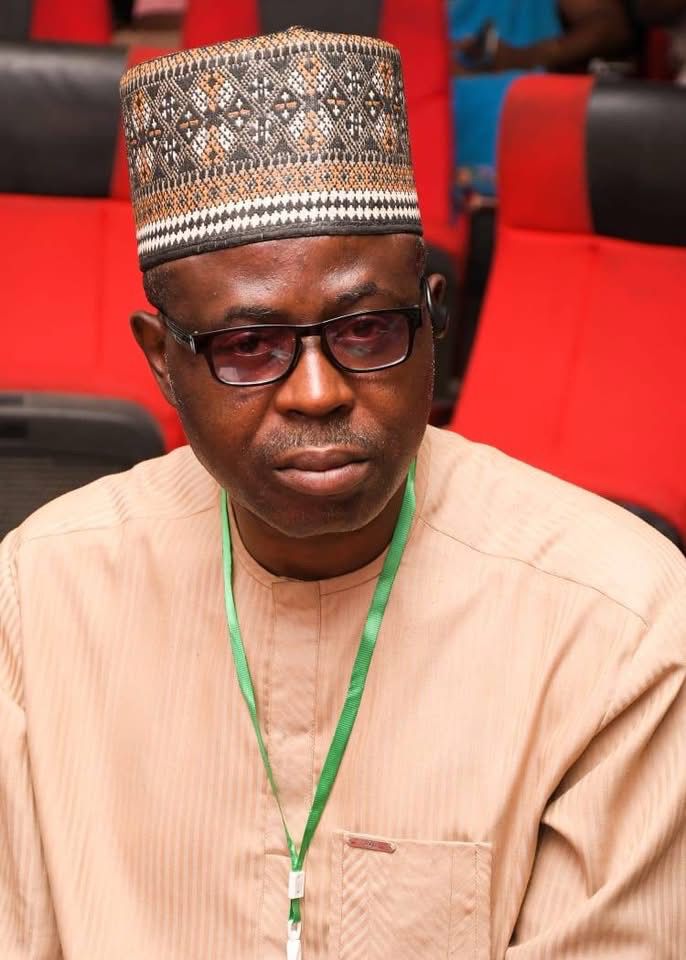
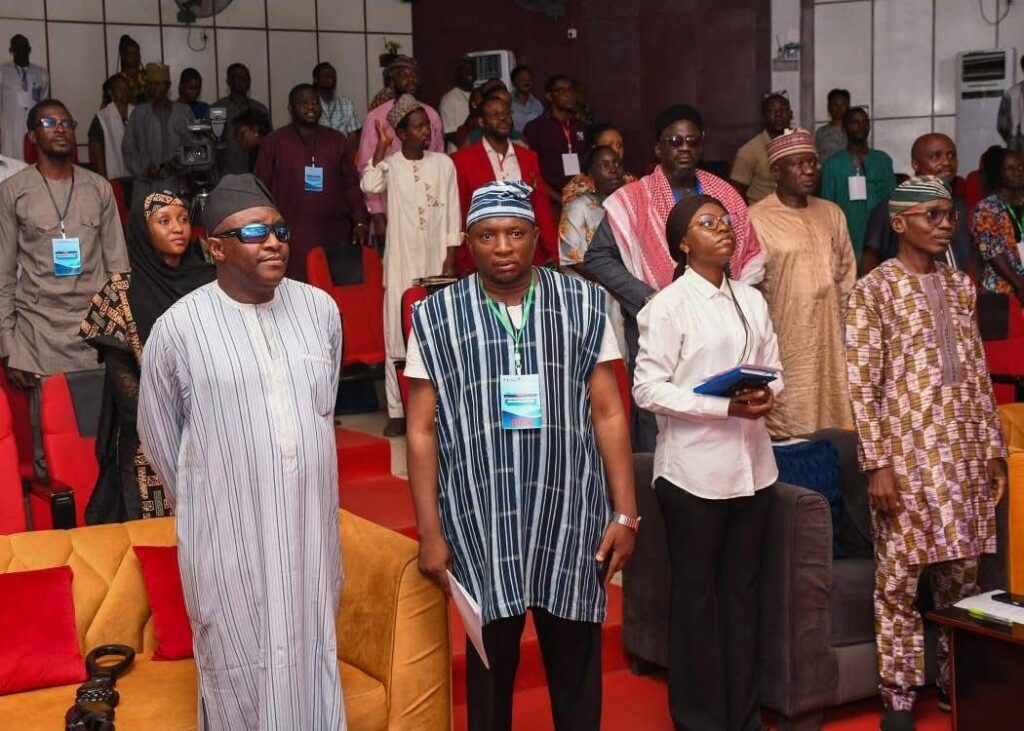
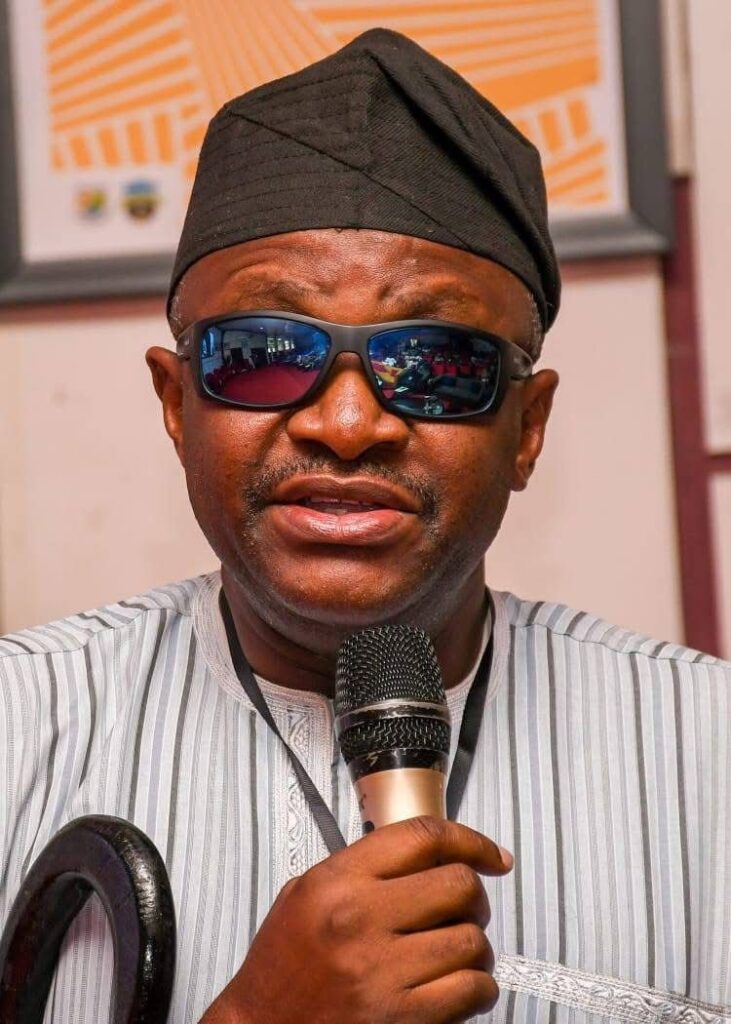
As the global conversation around artificial intelligence intensifies, African academics are being urged to aggressively shape the technology to reflect indigenous cultures rather than passively adopting Western-centric models.
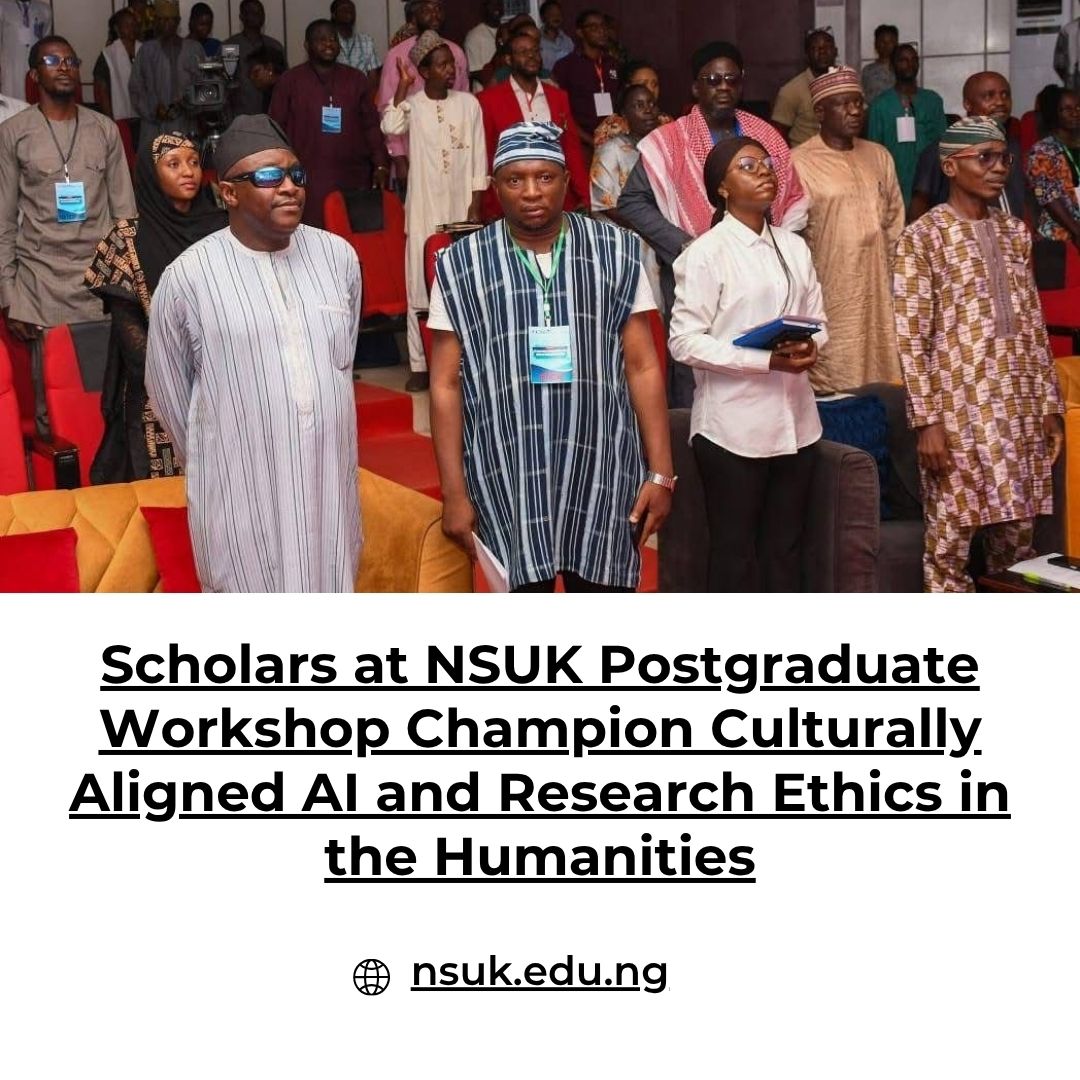
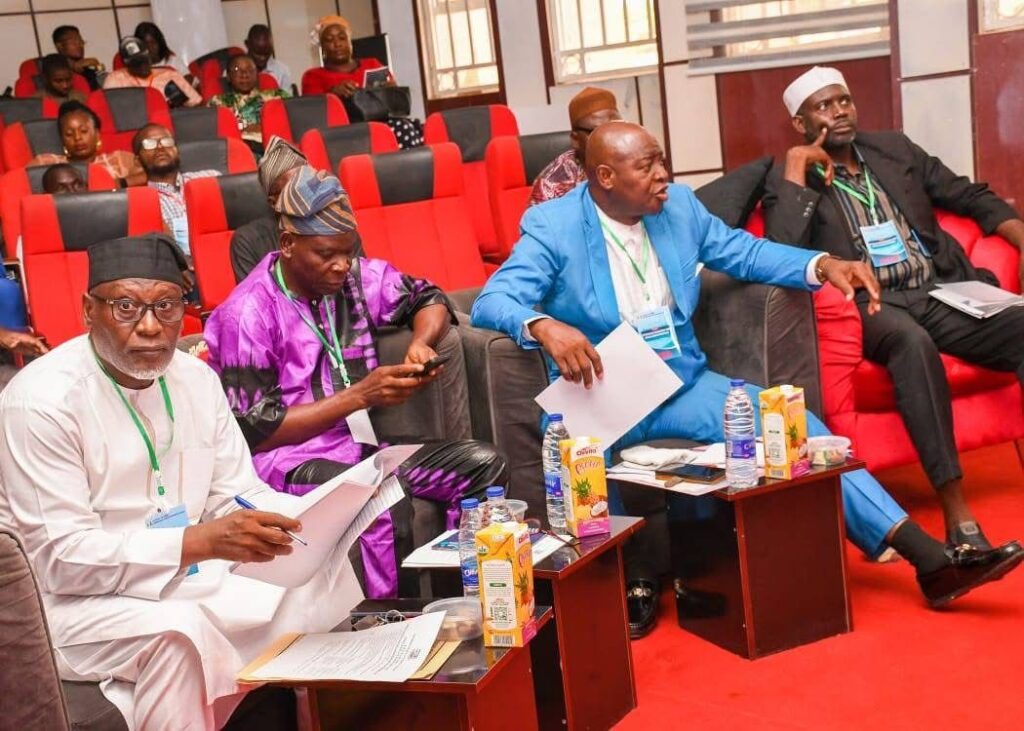
This was the central theme at the high-level Postgraduate Workshop hosted by the Faculty of Arts, Nasarawa State University, Keffi (NSUK), on Wednesday, 20th May, 2026. The event, which took place at the S.B. Mohammed Auditorium, School of Postgraduate Studies, was themed: “Artificial Intelligence, Research, Humanities and African Cultural Heritage.”
Representing the Vice-Chancellor, Professor Sa’adatu Hassan Liman, the Deputy Vice-Chancellor (Research, Innovation, and Linkages), Associate Professor K’tsō Nghargbu, formally opened the workshop with a call to action for continental researchers.
Nghargbu asserted that artificial intelligence deployed within the continent must be intentionally coded with African social realities, traditions, and values that promote communal harmony and peace. He challenged the gathered postgraduate students and faculty members to generate groundbreaking ideas capable of shifting global technology policy and scholarship.
Earlier, the Dean of the Faculty of Arts, Professor Adam Ayuba Binchi, welcomed participants and commended the University Management’s consistent patronage of academic excellence, urging researchers to maximize the workshop to sharpen their methodological skill sets.
Delivering the keynote address entitled “AI, Research Ethics and the Humanities,” Professor Abdullahi Adamu Sulaiman dissected the dual nature of AI tools. While acknowledging that AI drastically optimizes data analysis, he issued a stern warning against academic overreliance.
“An overdependence on artificial intelligence threatens to erode originality, blunt critical thinking, and compromise academic integrity,” Professor Sulaiman warned, calling for a robust regulatory framework tailored to African academic institutions.
Expanding on this tech-vulnerability, Dr. Osime Samuel of the National Institute for Policy and Strategic Policy (NIPSS) represented by Dr. Azubike Erinugha presented on “AI-Assisted Research and the Humanities.” He categorized the primary roadblocks to localized AI adoption as:
- Severe cultural bias embedded within current global algorithms.
- Weak domestic digital infrastructure.
- Low tech-literacy across the humanities.
He maintained that AI must strictly remain a supportive tool rather than a replacement for human intellect.
Addressing historical misrepresentation, the Director of Academic Planning, Professor Benson Shadrach Jatau, spoke decisively on “AI Allegorising Bias and Africa.” He cautioned that existing mainstream AI engines rely heavily on Eurocentric datasets that routinely distort or misinterpret African histories.
Professor Jatau insisted that the only antidote to this systemic bias is for African scholars to populate the digital space with credible, culturally grounded, and peer-reviewed domestic data to preserve African heritage.
Shifting the focus to classic research rigor, Professor A.A. Alagbe delivered a presentation on “Research Documentation, Styles and the Humanities.” He reminded researchers that precise citation remains the ultimate defense against plagiarism.
Professor Alagbe provided an exhaustive breakdown of core global formatting styles including MLA, APA, Chicago, and Harvard and advocated for the institutional adoption of digital reference management software to boost processing efficiency and global compatibility.
Contributing to the discourse, a panel of senior scholars including Prof. T.O. Bamidele, Prof. Bilyaminu M. Sulaiman, Prof. Stephen O. David, and Prof. M.M. Maiyaki unanimously agreed that the humanities are more critical now than ever before to ensure that technological evolution remains ethical, humane, and empathetic.
The workshop, which received strong goodwill endorsements from Dr. Anjugu Taimako and Dr. Amende Charles, concluded with a comprehensive vote of thanks delivered by Associate Professor Dalat Gershom D.
By convening this timely discourse, Nasarawa State University, Keffi, continues to demonstrate its “Pacesetter” status, ensuring its postgraduate scholars are not just passive consumers of foreign technology, but ethical pioneers of localized innovation.
©️ Information and Protocol Unit, 2026.
Nasarawa State University, Keffi